
Dental problems do not always happen at convenient times. A severe toothache, broken tooth, or dental injury can occur suddenly and leave you wondering what to do next. Knowing how to respond to common dental emergencies can help protect your teeth and prevent a problem from becoming more serious.
At Hershey Family Dental, we encourage patients experiencing dental emergencies in Hershey, PA to contact a dental professional promptly for guidance and appropriate care.
What Is Considered a Dental Emergency?
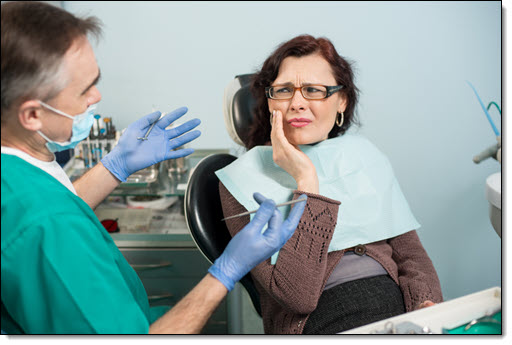 A dental emergency is generally a problem involving significant pain, injury, infection, bleeding, or damage that requires prompt attention.
Some situations are more urgent than others. Common dental emergencies include:
- Severe or persistent tooth pain
- A broken or cracked tooth
- A knocked-out permanent tooth
- A loose or displaced permanent tooth
- Significant swelling around a tooth or the gums
- A dental abscess or infection
- A lost or damaged filling or crown
- Bleeding that does not stop
- Injuries to the teeth, gums, lips, or mouth
If you are unsure whether your situation is an emergency, contacting your dentist can help you determine the appropriate next step.
What Should You Do for a Severe Toothache?
A toothache can have several causes, including tooth decay, infection, a cracked tooth, or gum problems.
Gently rinse your mouth with warm water and carefully floss around the painful tooth to remove any trapped food. Avoid placing aspirin directly against the tooth or gums because it can irritate the tissue.
Persistent or severe pain should be evaluated by a dentist. Pain may temporarily improve, but the underlying dental problem can remain.
What Should You Do With a Knocked-Out Tooth?
A knocked-out permanent tooth requires immediate attention. Pick up the tooth by the crown, not the root.
If the tooth is dirty, gently rinse it without scrubbing or removing attached tissue. If possible, carefully place the tooth back into its socket. If that is not possible, keep it moist in milk or an appropriate tooth-preservation solution.
Contact a dentist immediately. The sooner a knocked-out tooth receives professional care, the better the possibility of saving it.
What About a Broken or Cracked Tooth?
Rinse your mouth gently with warm water. If swelling occurs, a cold compress placed against the outside of your face may help.
Even when a broken tooth does not hurt, it should be evaluated. A crack can expose the inside of the tooth to bacteria or weaken the remaining tooth structure.
If you find a broken piece of the tooth, save it and bring it to your appointment.
When Is a Dental Infection an Emergency?
A dental abscess is an infection that may cause severe tooth pain, gum swelling, facial swelling, a bad taste, or a pimple-like bump on the gums.
Dental infections require professional treatment and should not be ignored. Seek urgent medical attention if swelling is rapidly increasing or you develop fever, difficulty swallowing, or difficulty breathing.
Be Prepared for Dental Emergencies
You cannot prevent every dental emergency, but you can reduce your risk. Wear a mouthguard during sports, avoid chewing ice and other hard objects, and never use your teeth to open packages.
Regular dental examinations can also identify weakened teeth, cavities, and other problems before they become emergencies.
Dental Emergencies in Hershey, PA
Knowing what to do during a dental emergency can make an important difference in protecting your smile.
Hershey Family Dental provides comprehensive dental care for patients in Hershey and surrounding Central Pennsylvania communities. If you experience severe tooth pain, a broken tooth, swelling, or another urgent dental problem, contact our office as soon as possible for guidance and an evaluation.